


Where Tradition Meets Taste
Single-variety extra virgin olive oil produced from a very prized olive variety.
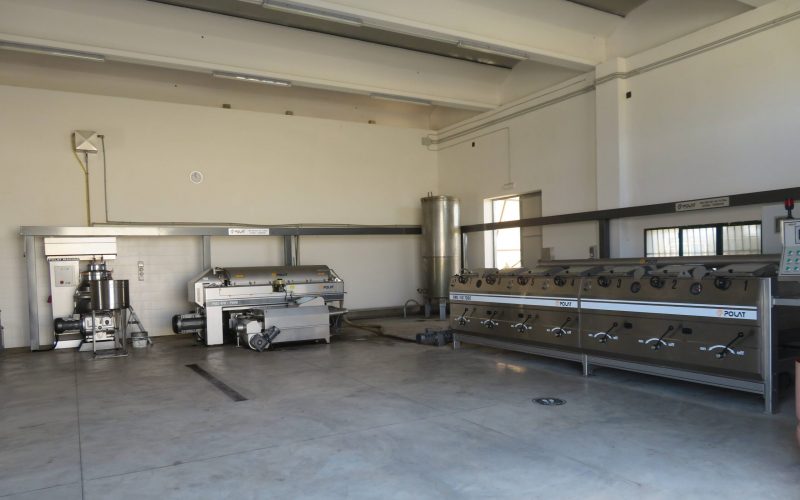
Processing
The oil extraction takes place in two processes that allow it to be obtained at room temperature and free of residue.
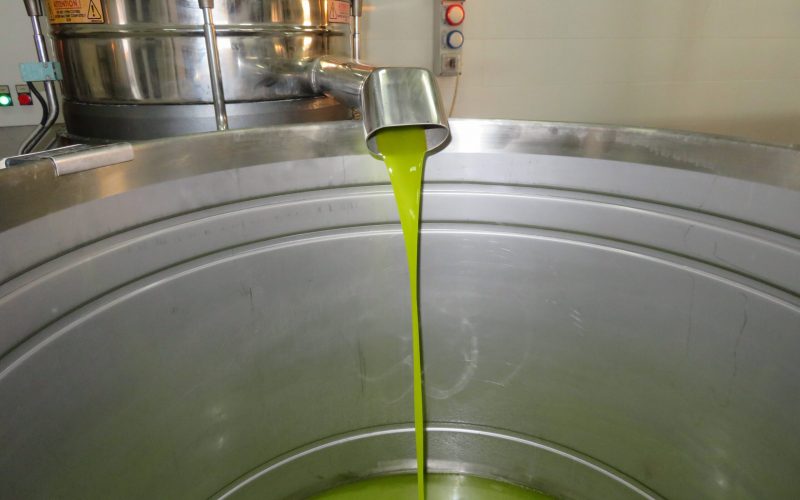
The oil
Originating from a highly prized olive variety, the Nocellara Etna
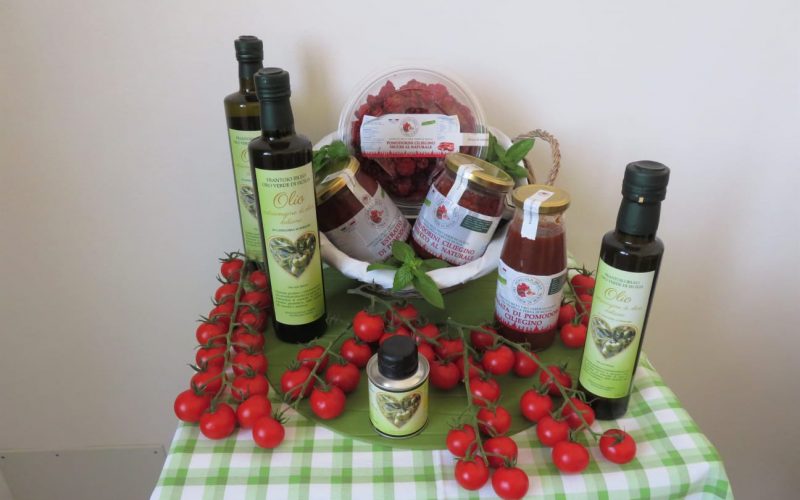
Products
Besides olive oil, we produce extracts and sun-dried and semi-dried tomatoes from our tomato plantations.
Featured products
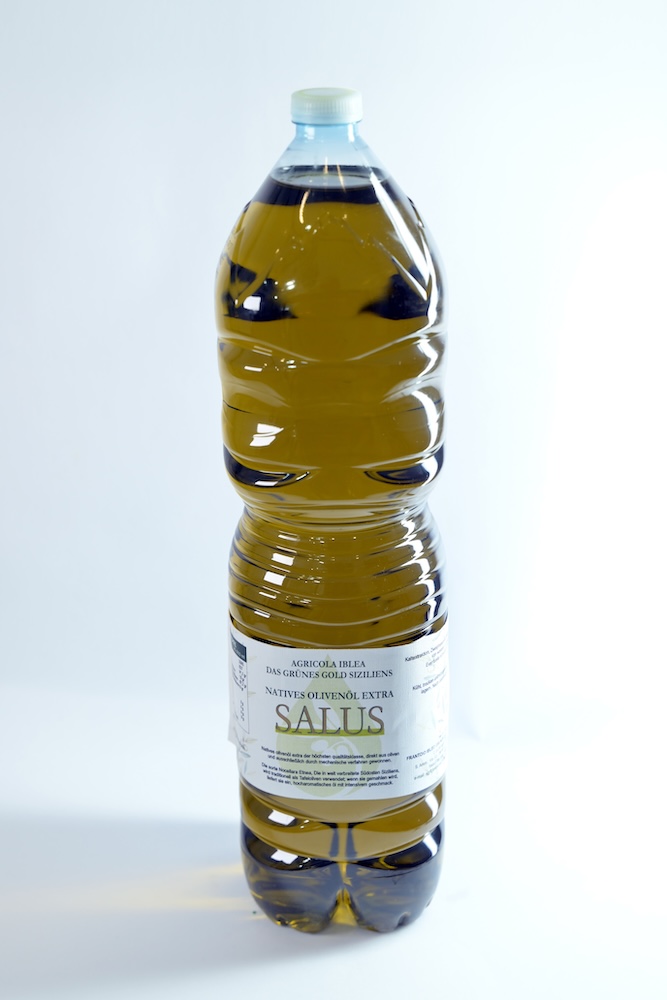
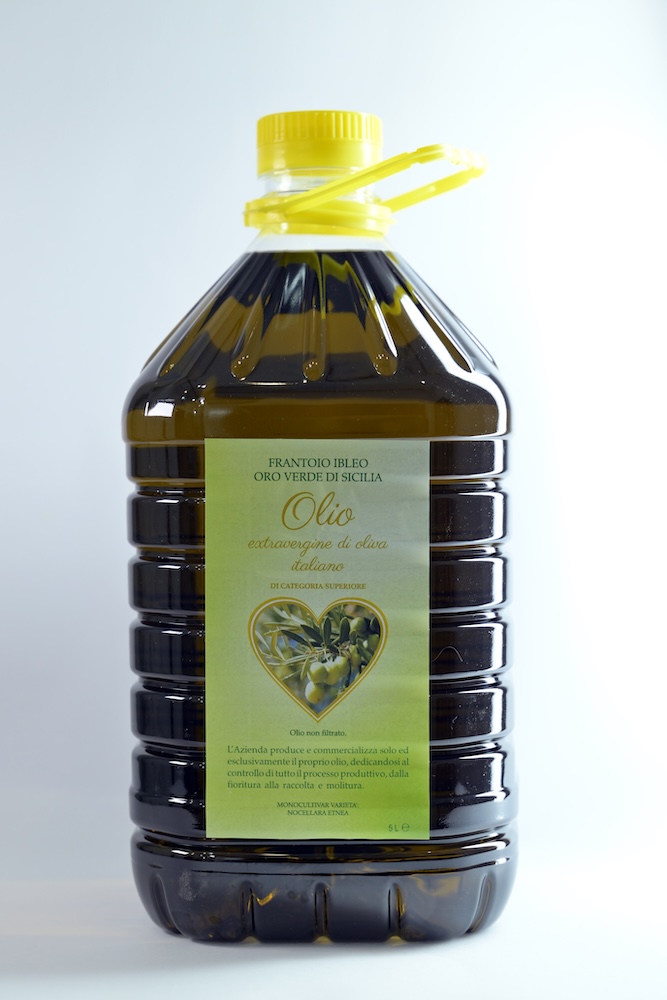
35,00 € – 105,00 €Price range: 35,00 € through 105,00 €
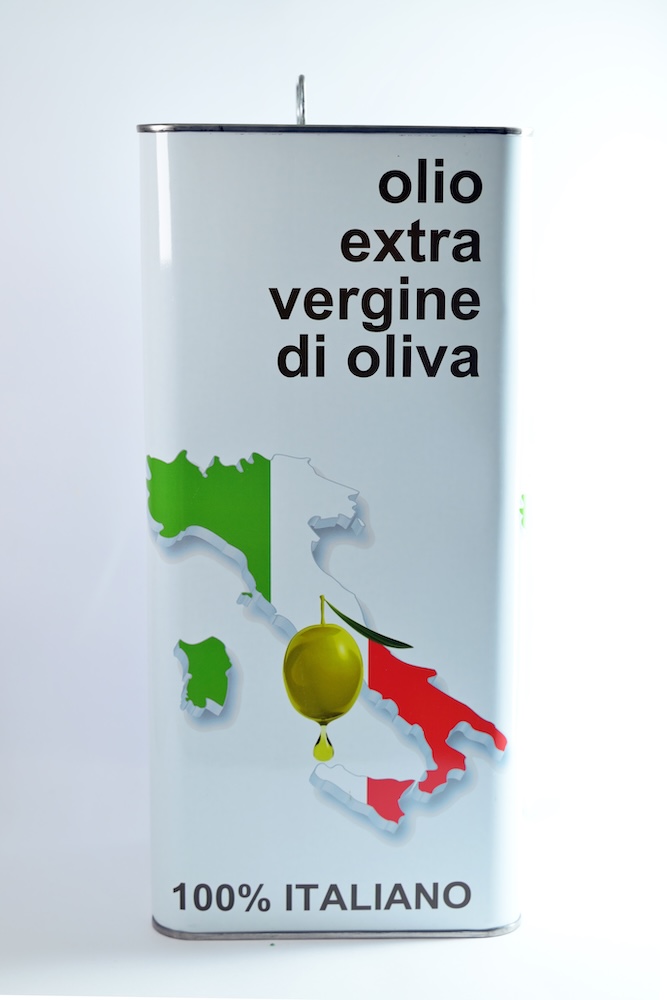
38,00 € – 81,00 €Price range: 38,00 € through 81,00 €
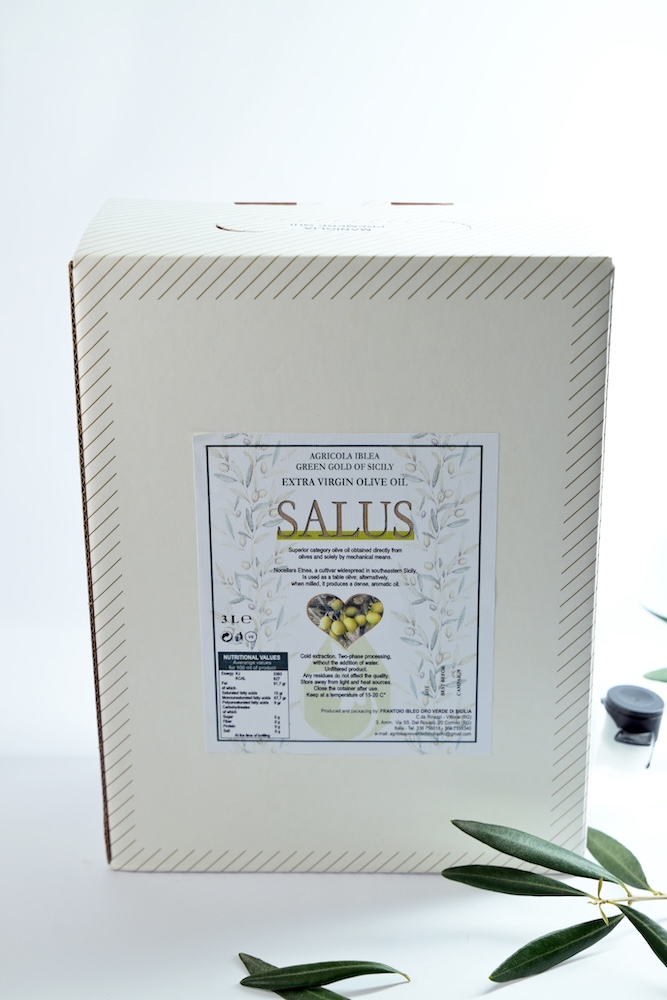
64,90 € – 209,80 €Price range: 64,90 € through 209,80 €
64,90 € – 209,80 €Price range: 64,90 € through 209,80 €
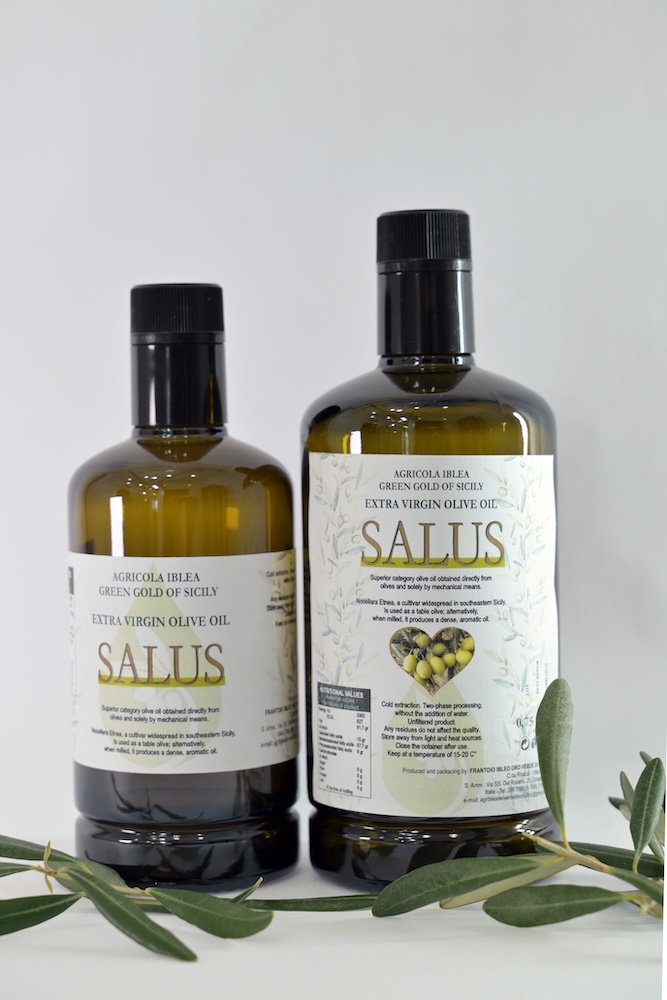
71,70 € – 101,40 €Price range: 71,70 € through 101,40 €
Our Olive Mill
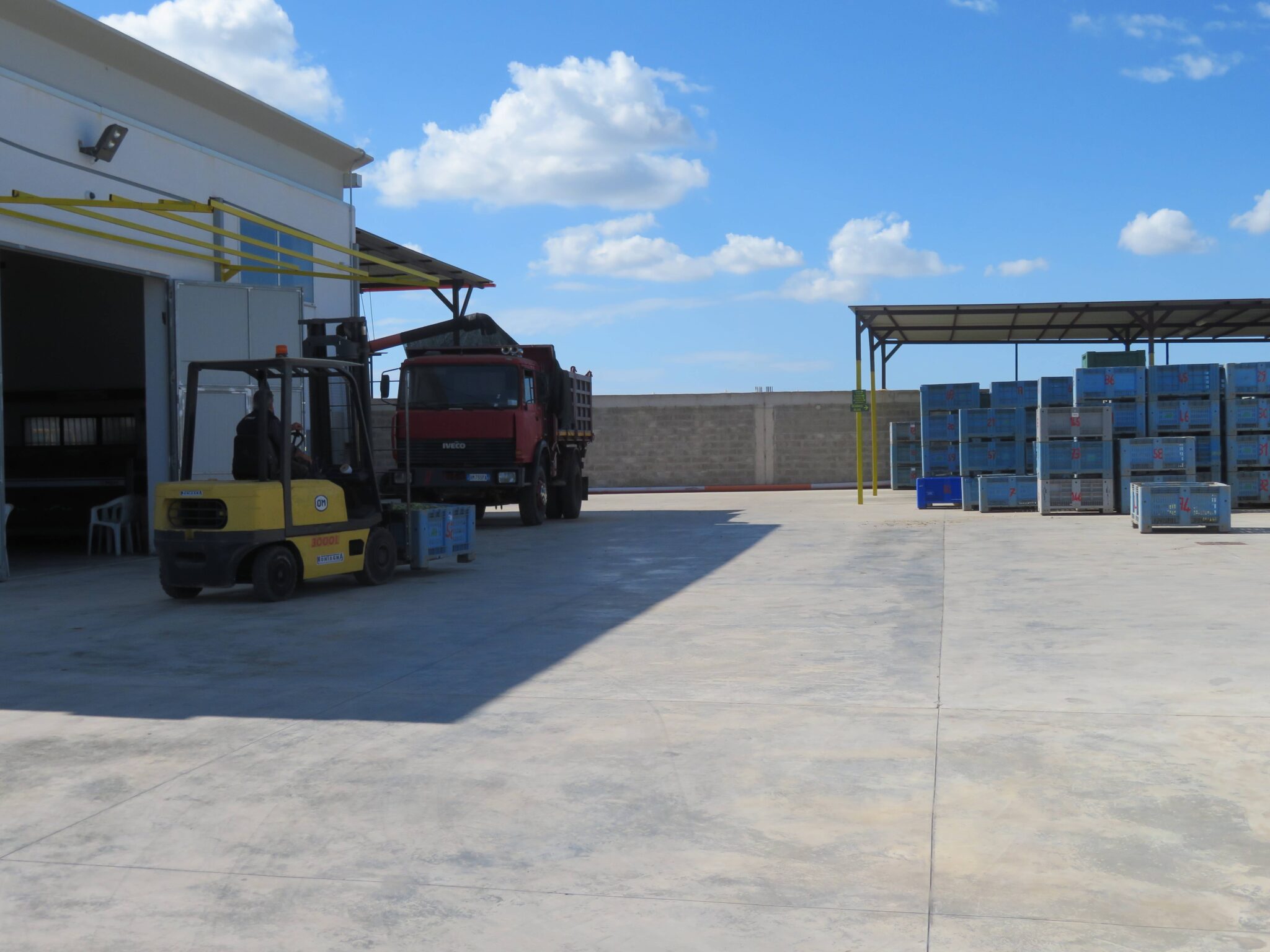
Zero Impact Production and Respect for the Environment
Our philosophy is based on total respect for the ecosystem. The company’s production cycle is designed to produce zero pollution, ensuring 100% sustainability. Every stage, from harvesting to milling, is designed to preserve the biodiversity of the Sicilian landscape.
Cutting-Edge Technology: 2-Phase Extraction
To guarantee the highest quality extra virgin olive oil, Frantoio Ibleo uses a state-of-the-art 2-phase extraction system. This cutting-edge process offers extraordinary advantages:
- Cold Extraction: We work at a constant temperature of 27°C to preserve the polyphenols and aromas intact.
- No Added Water: The centrifuge operates without the addition of external water, maintaining the purity of the product.
Waste Reduction: Thanks to this technology, we drastically reduce the production of vegetation water (heavy water).
Circular Economy: From Olive Pits to Organic Fertiliser
Nothing is wasted in our oil mill. We apply the principles of the circular economy to add value to every by-product: 1. Biofuel: The olive pomace is centrifuged to separate the crushed olive stone, which is used as ecological fuel for our boilers. 2. Natural Fertilisation: The spent pomace and the minimal amount of water produced are dried and reused as organic fertiliser directly on the farm's land.